

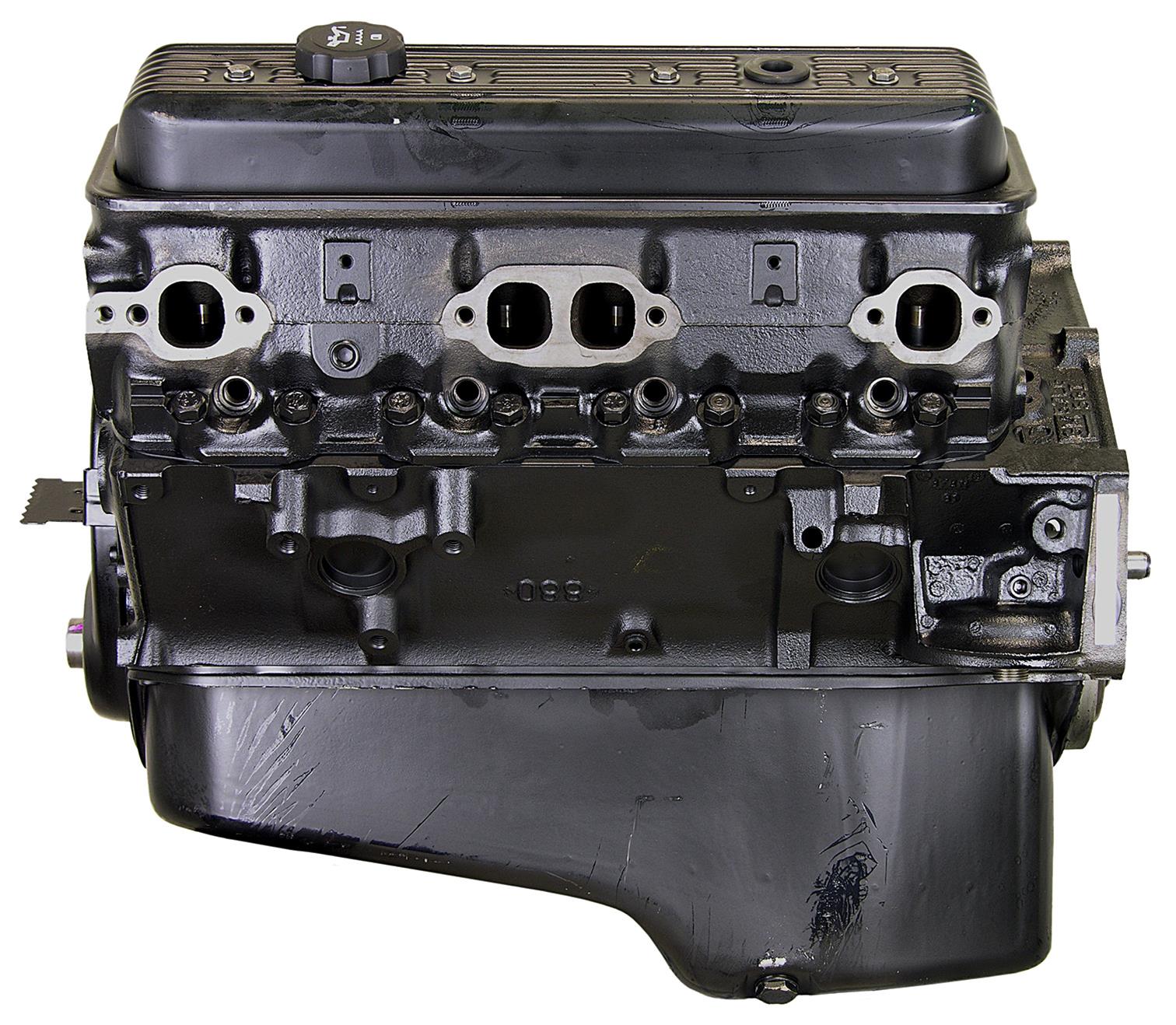
Introduction: The Global Opportunity in Engine Resale
The global demand for reliable engines has never been higher. From marine engines in West Africa to generators in Latin America and automotive engines in Southeast Asia, resellers are capitalizing on an increasingly mobile, power-hungry world. If you’re looking to start or scale an engine resale business, this guide will walk you through every step of importing engines from top manufacturing hubs like the USA.
Step 1: Sourcing the Right Engines from Trusted Suppliers
When it comes to engine imports, your supplier is everything. Here’s how to source engines that sell:
🔹 United States
- Ideal for: New & used automotive engines, industrial generators, Honda/Kohler/Yamaha models
- Strengths: Strict emission standards, certified test results, and wide engine model variety
Step 2: Understand Customs, Compliance & Paperwork
Every successful import deal depends on clear documentation. Here’s what you need to prepare:
Required Documents:
- Proforma Invoice & Commercial Invoice
- Bill of Lading (B/L): Shows engine details and shipping method
- Packing List: Itemizes all contents in the shipment
- Certificate of Origin (CO): For customs tariff classification
- Inspection Report (SGS/Bureau Veritas): Required in many African countries
Pro Tip: In Africa and some LATAM countries, pre-shipment inspection is mandatory. Partner only with exporters who are familiar with these regulations.
Step 3: FOB vs. CIF Shipping Explained
Two commonly used shipping terms in engine trade are FOB (Free On Board) and CIF (Cost, Insurance & Freight).
FOB (Free On Board)
- Buyer handles freight and insurance
- Exporter delivers to the port of departure
- Best for: Buyers with preferred freight partners
CIF (Cost, Insurance & Freight)
- Exporter arranges shipping and insurance to the buyer’s port
- Best for: New buyers and smaller resellers
Summary: CIF is easier but slightly more expensive. FOB offers control and flexibility.
Step 4: Avoiding Fraud & Quality Issues
Engine trading is lucrative, but it also attracts fraud. Here’s how to stay safe:
Choose Verified Suppliers
- Check company registration and export licenses
- Ask for recent Bill of Lading copies or export history
- Verify physical warehouse and engine photos
Quality Assurance Checklist
- Compression test or bench test certificate
- Photos with visible engine tags and serial numbers
- Transparent engine hours log (for used units)
Warning: Avoid suppliers who insist on full payment without inspection or provide no export references.
Step 5: Top Engine Models for Resale Markets (Africa, Asia, LATAM)
Africa
- Marine Engines: Yanmar, Yamaha, Mercury (used and new)
- Generators: Perkins, Cummins, FG Wilson
- Car Engines: Toyota 1KD, Nissan TD27, Mitsubishi 4M40
Southeast Asia
- Compact Diesel Engines: Kubota, Honda GX series
- Water Pumps & Horizontal Engines: Popular for agricultural use
Latin America
- Standby Generators: Kohler, Generac, Honda
- Gasoline Engines: Ideal for local mechanics and transport vehicles
Tip: Choose engine models with readily available parts in your market.
Step 6: Finalizing Your Import Deal
Once you’ve chosen your engines, supplier, and shipping terms:
- Sign a Sales Agreement or Proforma Invoice
- Complete initial payment (typically 30% deposit)
- Arrange or confirm shipping timeline
- Request engine inspection reports and tracking once shipped
What You Can Expect from a Good Exporter
- Quick quotation turnaround
- Pre-shipment engine testing
- Verified export documentation
- Crating and marine-grade packaging
- Ongoing support for customs clearance
Final Thoughts: Build a Scalable Engine Resale Business
With the right sourcing strategy, clear documentation, and trusted partners, importing engines can be a profitable, repeatable business model. Whether you’re a new dealer or an established reseller, following this step-by-step approach can save you thousands in costly mistakes and set you up for long-term success.
Tags: how to import engines, engine resale business, start engine export business, import diesel engines, global engine suppliers, FOB vs CIF engines, Africa engine resale market, marine engine dealers, generator import guide
